Have you ever finished a yoga session or a simple stretch and felt unexpectedly lighter? As if a weight you didn’t even realize was there had quietly eased? Or found yourself overcome with tears during a movement practice, without knowing exactly why?
I’ve been there too. It turns out, our bodies can remember more than just physical sensations. They hold emotions, stories, and memories that sometimes words can’t reach. When we move with intention, we create a space for those hidden feelings to emerge, soften, and ultimately release.
The Body Stores What the Mind Can’t Always Process
Each and everyone of your bodies hold wisdom within them. Even when our minds feel overwhelmed or distracted, the body holds onto the echoes of our experiences. From joy and laughter to grief and fear, emotions often nestle deep in muscles, fascia, and the nervous system.
That’s why anxiety might show up as tight shoulders or why a heavy heart feels so real in the chest. Movement, whether yoga, dance, walking, or gentle stretching becomes a quiet language through which our bodies express what words cannot. This is the essence of
Move to Remember : A Somatic Approach where we move not to fix or force ourselves to do something, but to listen and remember, allowing the body to lead us gently back into presence.
Why Movement Is Emotional Medicine
When I flow through a sequence or simply sway to music, I’m not just strengthening muscles; I’m inviting healing.
Movement helps me:
- Release tension tied to trauma, stress, and emotions I haven’t fully processed
- Calm my nervous system by activating rest and digest responses
- Reconnect with my body, building trust and deep awareness
- Shift attention away from racing thoughts, returning to breath and presence
- Create a safe space where emotions can arise without judgment
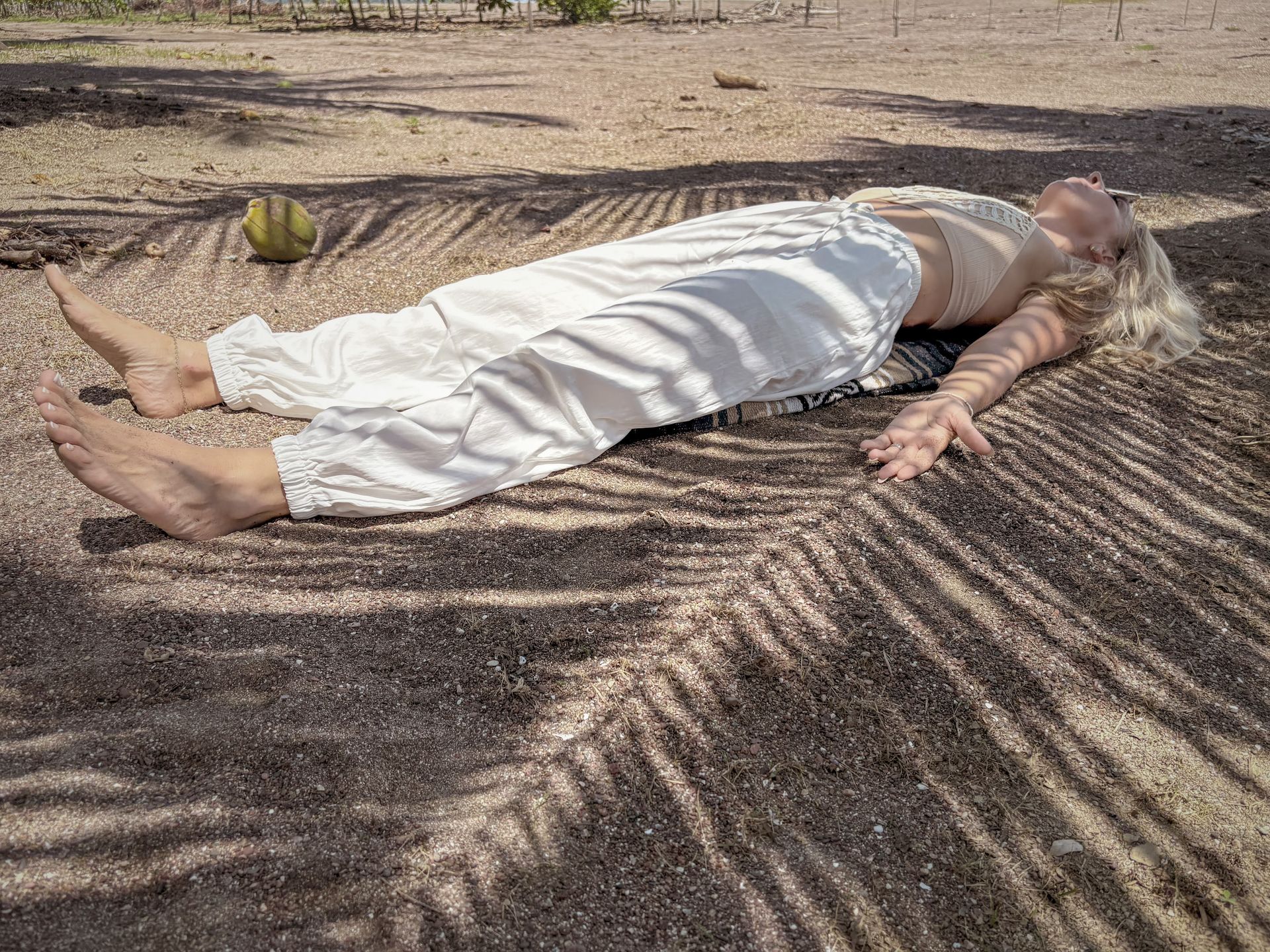
Even lying still in Savasana can become a powerful act of emotional exhale, allowing what’s held inside to soften.
Movement as a Personal Ritual
I’ve learned that movement doesn’t need to be flawless or elaborate to be meaningful. It’s the intention behind the movement that matters most.
Some of my simplest rituals include:
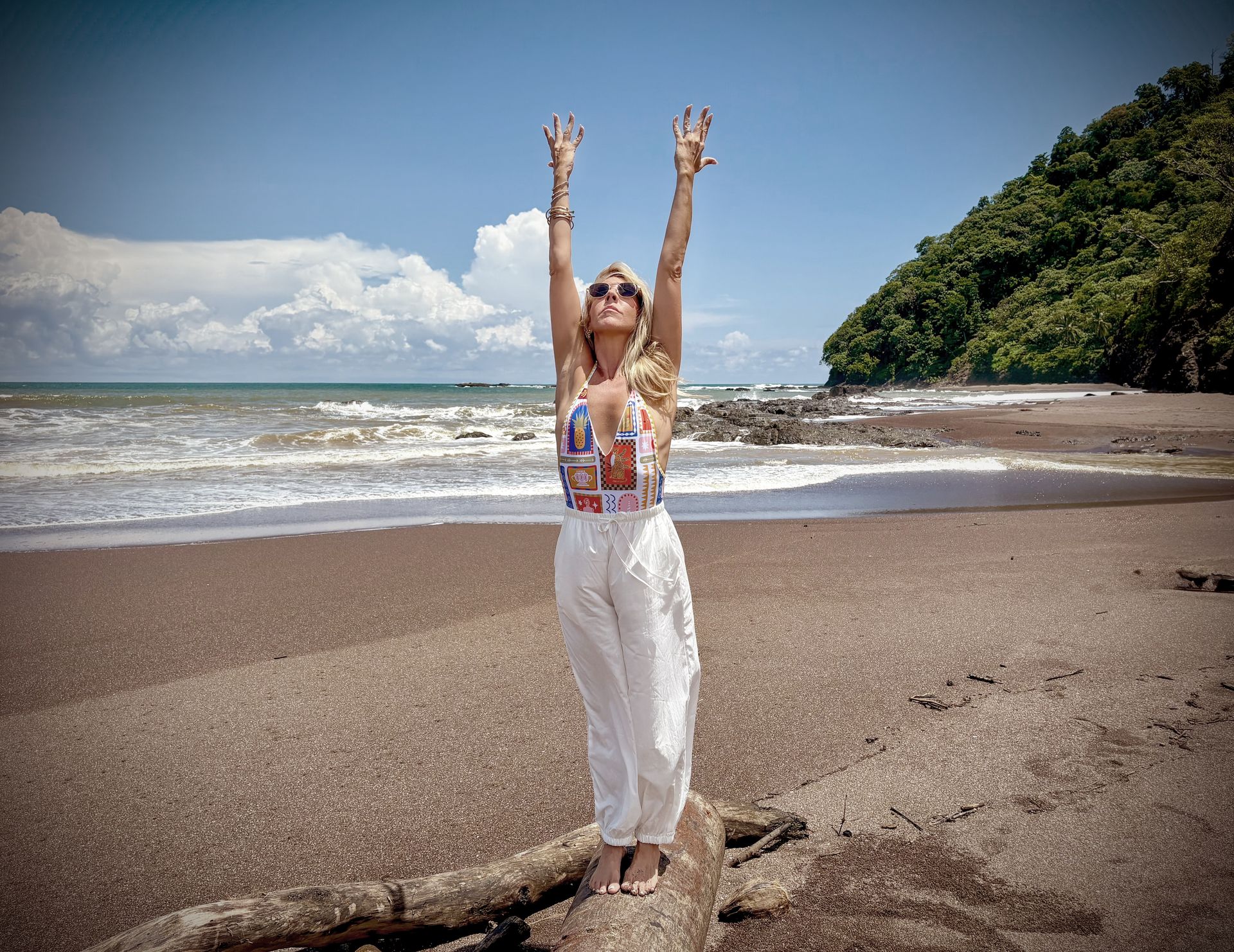
- Greeting the day with a few slow sun salutations
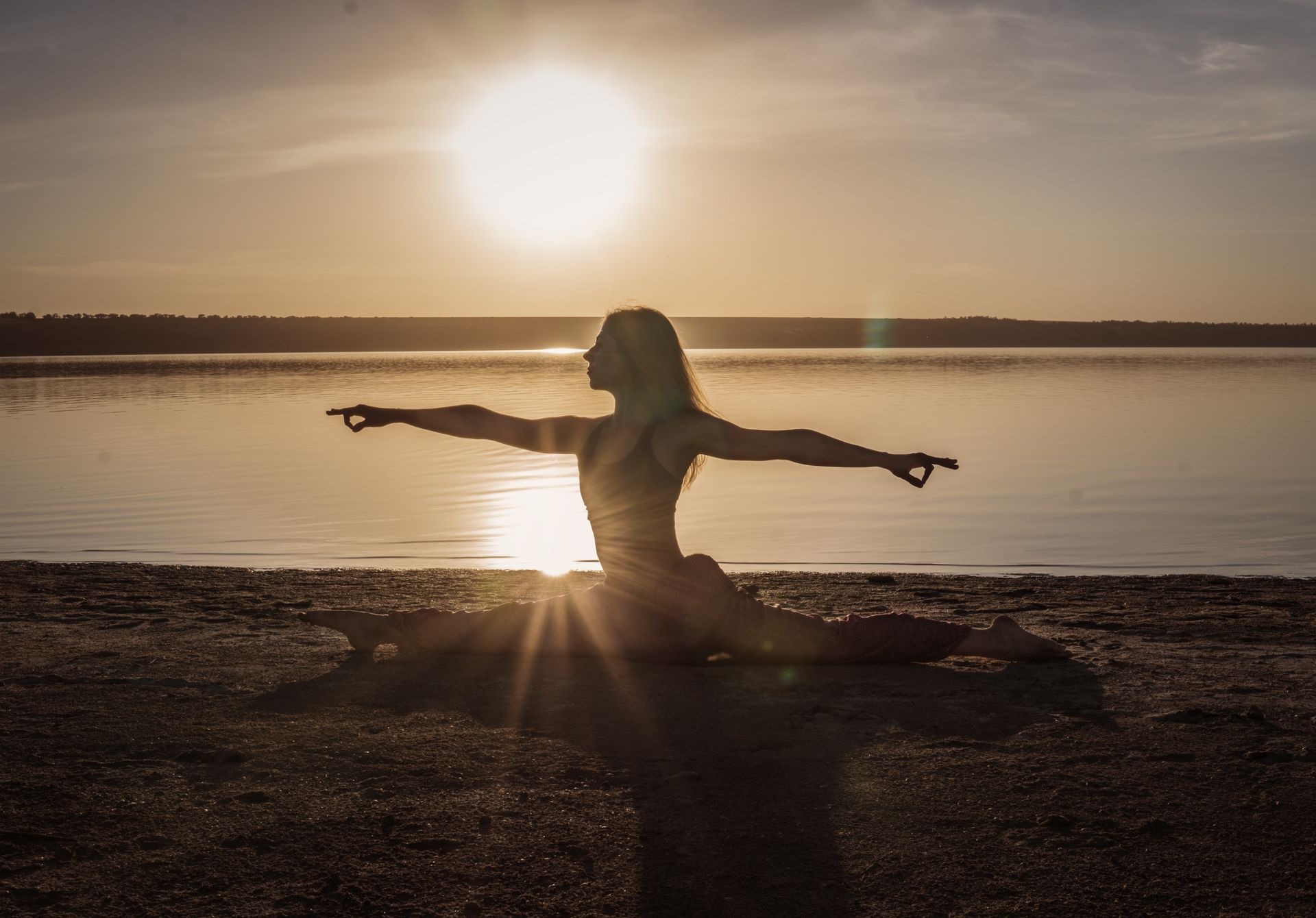
- Opening my hips gently before bed
- Shaking out tension after a stressful moment
- Closing my eyes and swaying to a favorite song
These moments tell my nervous system, “It’s okay to feel. You’re safe here.”
Too often, we believe healing has to be complicated or dramatic. But real transformation can happen in the quietest, simplest acts.
Begin Gently: Let Breath Lead the Way
If you sense your body is carrying more than it should, know you don’t have to force anything. Start by noticing your breath. Let movement follow naturally, without pressure or expectation.
I invite you to explore gentle release classes, somatic flow, or restorative workshops designed to support emotional wellbeing through mindful movement.
You don’t need to explain or analyze what you’re feeling. Just move. Allow your body to remember, and gently let go.