
Discover the power of practicing in harmony…
Yoga is often thought of as a solo practice - one mat, one body, one breath. But when shared with someone else, The Yoga of Belonging becomes something even more profound: a space for connection, trust, and shared presence.
Partner yoga invites two people to move, breathe, and support one another through postures that foster communication, balance, and compassion. Whether you're practicing with a spouse, friend, or family member, this kind of practice encourages deeper awareness - of yourself and of your partner.
What Is Partner Yoga?
At its core, partner yoga is about union - the very meaning of the word yoga. Through synchronized movement, mutual support in asana, and shared breath (pranayama), two people co-create shapes and experiences that aren’t possible alone. It’s playful, grounding, and sometimes even humbling - in the best way.
You don’t need to be advanced or flexible to enjoy this practice. You just need openness, willingness, and a sense of humor (because yes, there may be some wobbles and laughter along the way!).
Why Practice Yoga Together?
- Strengthens trust and communication
- Enhances body awareness through assisted alignment
- Deepens connection through eye contact and breath
- Brings lightness and fun to your practice
- Encourages vulnerability in a safe, supported space
Try These Poses Together
Here are a few beginner-friendly partner yoga poses to explore.(Note: Take your time, move slowly, and communicate throughout the practice.
1. Seated Back-to-Back Meditation (Sukhasana)
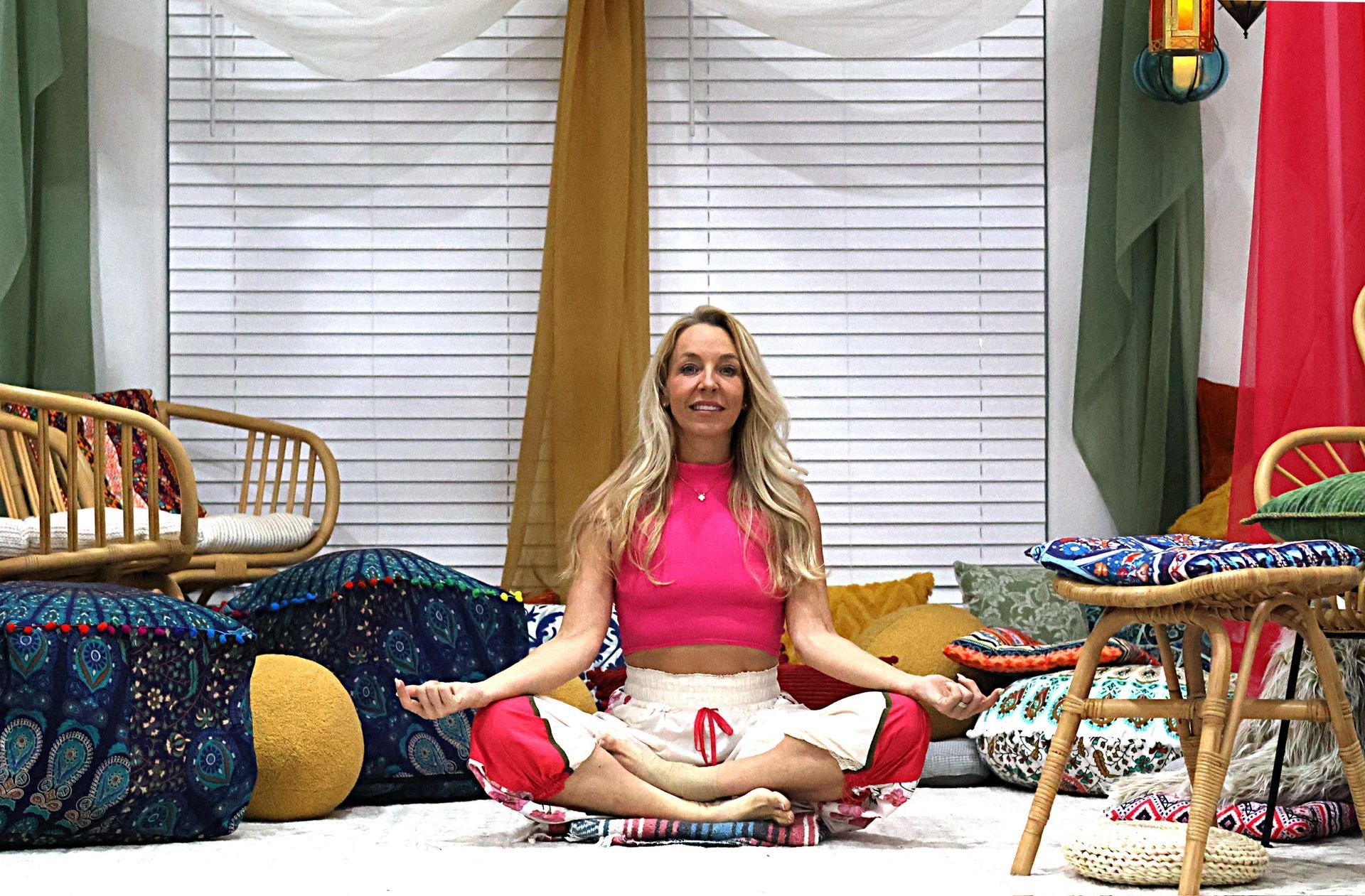
Sit cross-legged, back-to-back, with your spines gently touching. Close your eyes and begin to sync your breathing. Stay here for 2–5 minutes, simply becoming aware of one another’s energy and breath rhythm.
Why it works: Builds a foundation of connection and presence. Helps you “drop in” together before movement.
2. Partner Forward Fold (Paschimottanasana Variation)
Sit facing each other with legs extended. Bring the soles of your feet to touch or gently press together. Hold hands or wrists. As one partner exhales and folds forward, the other leans back slightly to offer gentle traction, then switch.
Why it works: Deepens the stretch in the hamstrings and spine while encouraging surrender and trust.
3. Double Downward Dog (Adho Mukha Svanasana)
Partner A comes into Downward Dog. Partner B stands facing the same direction, places their hands a few inches in front of Partner A, then gently lifts one foot at a time onto Partner A’s lower back/hips (like a modified plank). Communicate throughout!
Why it works: Strengthens the shoulders and core, improves trust and communication. It’s playful and energizing!
4. Partner Tree Pose (Vrksasana)
Stand side by side, each placing your inner foot on the opposite ankle, calf, or thigh (never the knee). Reach your inside arms around each other's waist or shoulders for support. Lift outer arms to the sky.
Why it works: Encourages balance and concentration - with a reminder that you’re not alone.
5. Seated Twist (Ardha Matsyendrasana Variation)
Sit back-to-back with legs crossed. Inhale to lengthen your spines, and on the exhale, each twist to one side, reaching one hand to your own knee and the other to your partner’s opposite knee.
Why it works: Stimulates digestion, increases spinal mobility, and enhances awareness through touch.
Close with Shared Savasana
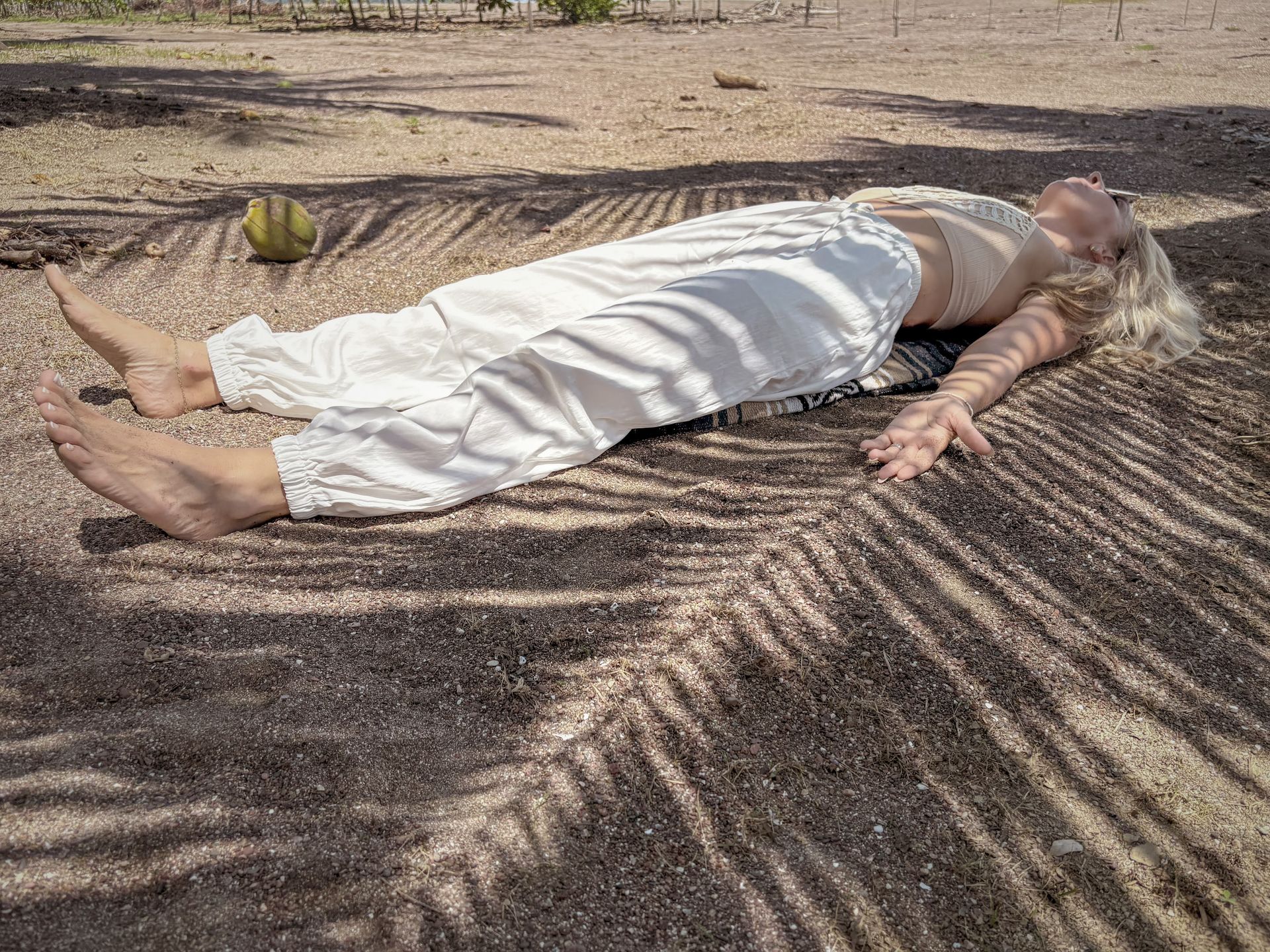
End your practice by lying side by side or back-to-back in Savasana (Corpse Pose). If comfortable, let your shoulders or hands touch. Rest here in stillness for a few minutes, letting your breath settle and your body integrate the practice.
You might even end with a simple, soft Namaste - a shared bow honoring the light within each other.
Two Mats, Endless Possibilities
Practicing yoga with someone else can be a beautiful act of presence and partnership. It reminds us that we don’t always have to move through life alone. Sometimes, the most healing thing we can do is simply show up - side by side - and breathe.
Whether you try this with your partner, your best friend, your child, or a fellow yogi, let it be light, joyful, and full of connection. Because in yoga, as in life, we are always stronger together.

More reflections from the mat, the heart, and beyond.