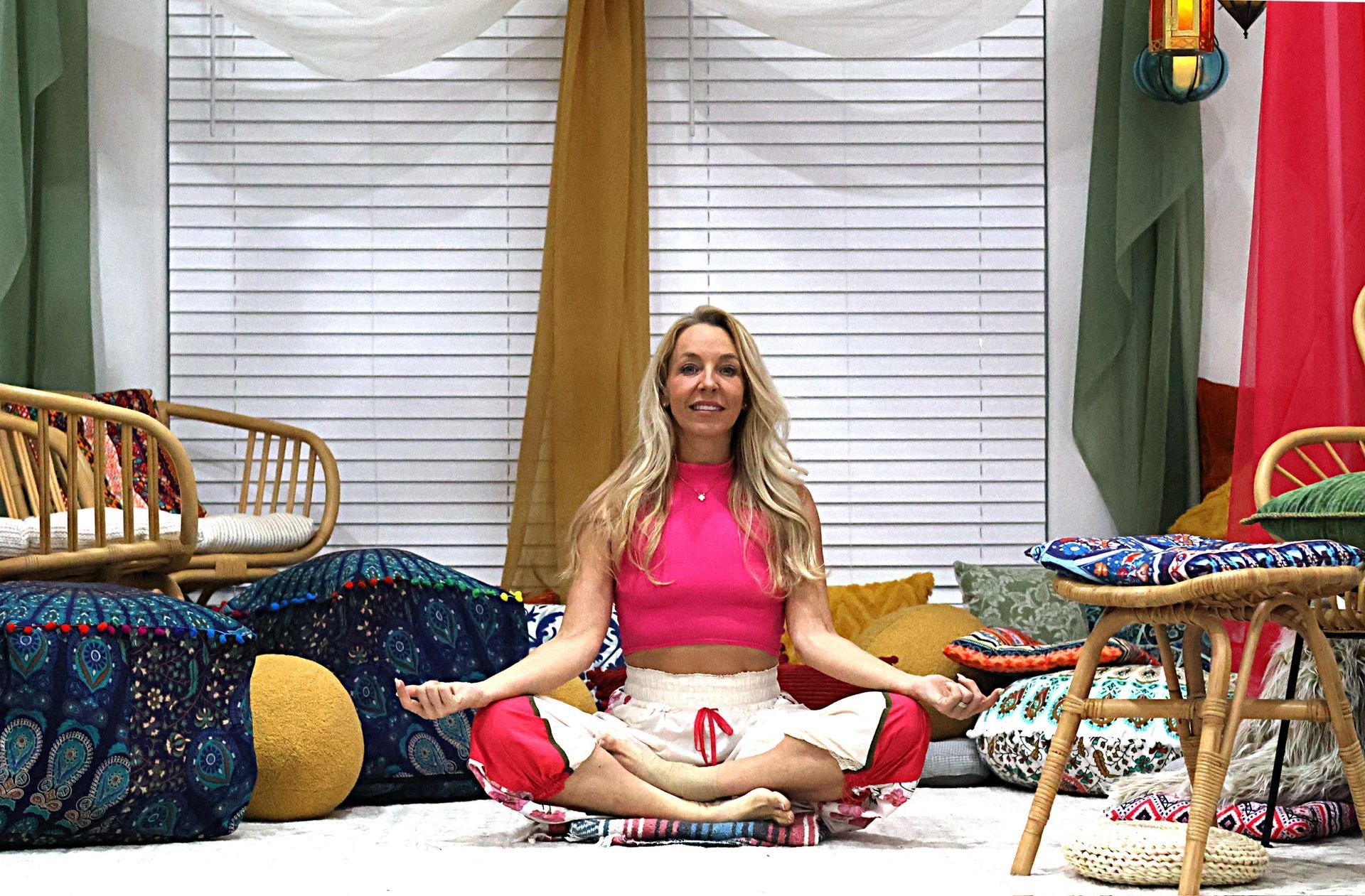


Living in the heart of yoga in modern moment of mess and meaning…
When we think of yoga, it's easy to picture movement - the postures, the breath, the flow. But yoga’s true roots run much deeper than the mat. At its heart, yoga is a philosophy for living: a way of relating to ourselves, others, and the world. This is where the Yamas and Niyamas come in.
Think of them as yoga’s moral compass - a set of gentle guidelines not meant to restrict, but to liberate. Yamas and Niyamas invite you to live with more intention, integrity, and awareness. While they were written centuries ago, they feel surprisingly relevant in today’s world of noise, pressure, and constant doing.
In this article, we’re going to unpack what they mean - not in theory, but in the everyday.
Yamas: The “Don't Do Harm” Kind of Wisdom
The Yamas are social ethics - how we interact with others and the world. But, they also show up in how we treat ourselves.
1. Ahimsa - Non-violence
In practice, this isn’t just “don’t hurt people.” It’s the way we soften our inner critic, the way we hold space instead of snapping, the way we pause before reacting. In modern life, Ahimsa looks like saying no without guilt, resting when you need it, and choosing compassion over competition.
2. Satya - Truthfulness
Truth isn’t just about being honest with others - it’s also about being honest with yourself. Are you saying yes when you mean no? Are you performing a version of yourself to please others? Satya asks us to be our real self, even when it may be uncomfortable.
3. Asteya – Non-stealing
Beyond the obvious, this includes subtle forms of taking - like stealing time, energy, attention, or credit. It also reminds us not to rob ourselves of joy by constantly comparing ourselves to others or rushing the time in our days.
4. Brahmacharya - Moderation
Often misunderstood, Brahmacharya isn’t about celibacy—it’s about where you place your energy. Are you leaking it through distractions and overconsumption? It’s about channeling energy wisely, living with balance instead of burnout.
5. Aparigraha - Non-attachment
This one’s big. It speaks to letting go of control, clinging, perfectionism. It’s the courage to loosen your grip—on possessions, outcomes, and even identities. Hard? Yes. Freeing? Absolutely.
Niyamas: The Inner Practice
If the Yamas are how we relate outwardly, the Niyamas are about our inner world - how we care for ourselves, grow, and stay connected.
1. Shaucha - Cleanliness
More than a tidy space, this is about clearing mental clutter and creating environments that support clarity. It might mean unfollowing that account that triggers comparison, or taking a moment to reset your nervous system.
2. Santosha - Contentment
Not forced positivity, but acceptance of what is. Santosha asks: can you be at peace in this moment, even if it’s imperfect? Can you find enoughness without chasing something else?
3. Tapas - Discipline
Discipline with heart. It’s the quiet commitment to show up even when you don’t feel like it—whether it’s rolling out the mat, keeping a boundary, or saying no to habits that dull your light.
4. Svadhyaya - Self-study
This is the work of knowing yourself. Through reflection, journaling, therapy, or stillness, Svadhyaya invites you to ask, “Why do I move the way I do? What’s underneath that reaction?”
5. Ishvara Pranidhana - Surrender
Letting go of the illusion of control. Trusting in something greater. Whether that’s the universe, spirit, or the simple intelligence of life itself - this Niyama humbles us in the best way.
Living the Practice Off the Mat
Yoga isn’t just the one hour you spend moving through poses - it’s how you move through life. The Yamas and Niyamas remind us that yoga isn’t about getting better at handstands. It’s about getting better at being human.
Some days, it looks like breathing before reacting. Other days, it looks like apologizing, staying silent, resting, or showing up anyway. It’s rarely perfect. Often messy. But always meaningful.
In the Chaos and the Calm, Yoga Still Holds
Modern life is complex. But these ancient teachings offer something rare: an anchor. Not to pull you down, but to hold you steady.
The Yamas and Niyamas aren’t a checklist - they’re a conversation. A return. A remembering. Of what matters. Of what’s enough. Of who you really are beneath the layers.
So even in the mess - especially in the mess - yoga still lives. And it’s waiting for you, right here, in the middle of your real, beautiful, imperfect life.
If you’re ready to bring these teachings into your everyday life, explore my upcoming classes and resources at YogabyJ.com where your practice begins where you are.

More reflections from the mat, the heart, and beyond.